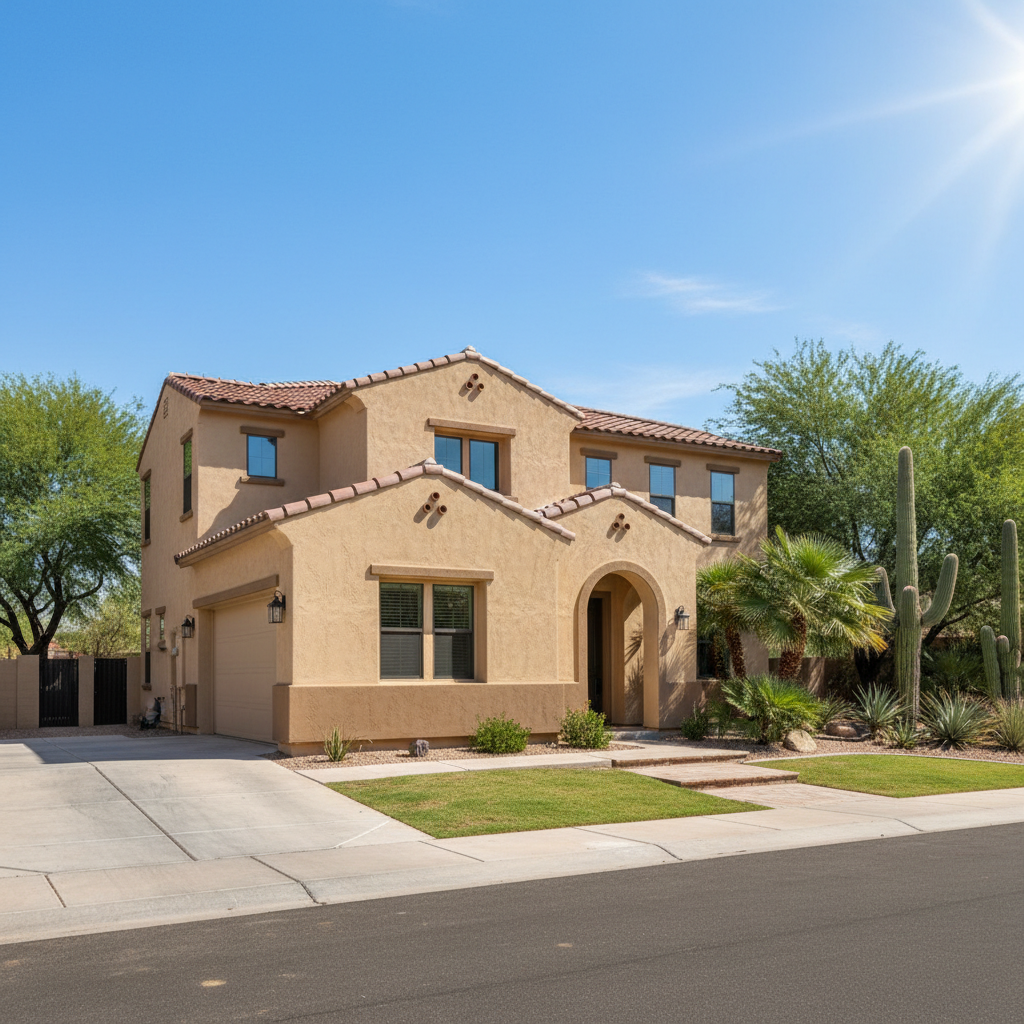
Alright, let's talk EIFS. You're probably checking out Exterior Insulation and Finish Systems for your place, maybe hoping for better insulation, a fresh look, or both. It's a fantastic product, truly, but only when it's done right. I've seen way too many folks here in Queen Creek mess it up, and it always ends up costing them a bundle. So, here are the biggest blunders I see homeowners make when they're planning an EIFS installation or hiring someone to do it.
Mistake #1: Not Knowing the Difference Between EIFS and Stucco
This one's a big deal, and it causes a ton of confusion. Lots of people around here, especially if they're new to the area or just not up on building materials, call everything 'stucco.' But EIFS? That's not traditional stucco, not even close. Real stucco is a hard, cement-based material. EIFS, on the other hand, is a multi-layered system. It includes an insulation board, a base coat with fiberglass mesh, and then a finish coat. It's designed to be flexible and give you excellent insulation.
Why does this matter, you ask? Well, if you're asking for 'stucco' but you actually want EIFS, or the other way around, you might get quotes for the wrong thing. Worse, you could end up with a contractor who doesn't even specialize in what you truly need. So, be super clear about what you're asking for. If a contractor doesn't immediately clear up the difference, or just nods along like they get it, that's a definite red flag. They really should know their materials inside and out.
Mistake #2: Skipping the Critical Moisture Management Plan
Look, we live in Queen Creek. It's hot and dry most of the year, sure, but those monsoon rains? They still hit. And when they do, they can come down hard. EIFS, just like any exterior siding, needs proper moisture management. I've seen installations where they cut corners on the drainage plane or flashing, thinking, "It's Arizona, how much water will it really see?"
That's just asking for trouble. Water will find a way in if it's not handled correctly. Once it gets behind the EIFS, it can just sit there, rotting your sheathing and framing, and leading to mold. You absolutely need a contractor who understands and actually puts in a solid moisture drainage system. This includes good flashing around windows, doors, and rooflines. Don't let anyone tell you it's not important because of our dry climate; honestly, it's *more* important. When we *do* get rain, it's often a downpour, and then the sun bakes everything in afterward.
Mistake #3: Picking the Cheapest Bid Without Due Diligence
I totally get it, everyone wants a good deal. But with EIFS, the cheapest bid is almost never the best one. This isn't a DIY kind of project, and it's definitely not something you want done by the lowest bidder who's cutting corners on materials or labor.
A low bid often means they're using cheaper insulation, skimping on the number of base coats, or not using enough mesh. Or maybe they're not paying their crew well, which usually means rushed, sloppy work for you. Always ask for detailed breakdowns: materials, labor, and the full scope of work. Compare apples to apples, you know? If one bid is significantly lower than all the others, there's usually a reason, and it's rarely a good one for you.
Mistake #4: Not Checking References and Past Work
You wouldn't hire someone to babysit your kids without checking references, right? Same goes for your house. This is a big investment. Don't just take a contractor's word for it. Ask for references from recent EIFS jobs they've done, especially in places like Johnson Ranch or other Queen Creek neighborhoods. Drive by those houses. See if the work looks good. Are there cracks? Is the finish even? Does the flashing look professional?
Even better, if you can, talk to the homeowners. Ask them about the process, how the contractor handled any issues, and if they're happy with the long-term results. A good contractor, like us at Queen Creek Stucco & Plastering, will be proud to show off their work and connect you with satisfied customers.
Mistake #5: Ignoring the Importance of Proper Detailing
EIFS isn't just about slapping insulation and finish onto a wall. The small things, the details, really matter. Things like expansion joints, control joints, and how the EIFS ends at the ground or other building materials are super important. If these details aren't done right, you'll end up with cracks, water getting in, or an ugly finish that won't last.
For example, EIFS needs to be kept a certain distance above grade to stop moisture from wicking up. If it's installed too low, it'll just soak up ground moisture, leading to problems. A good contractor will explain these details and show you exactly how they plan to handle them. Don't just assume they know; make sure they communicate their plan clearly.
Mistake #6: Not Getting a Clear Warranty in Writing
Once the job's finished, you want to feel good about it. A reputable EIFS contractor will offer a warranty on their work. This should cover both materials and labor, and it absolutely needs to be in writing. Understand what it covers, for how long, and what might void it. If a contractor seems hesitant to give you a written warranty, or if their warranty sounds vague, that's a huge red flag.
EIFS is a fantastic system when it's installed correctly. By steering clear of these common mistakes, you'll be well on your way to a beautiful, energy-efficient, and long-lasting exterior for your Queen Creek home.