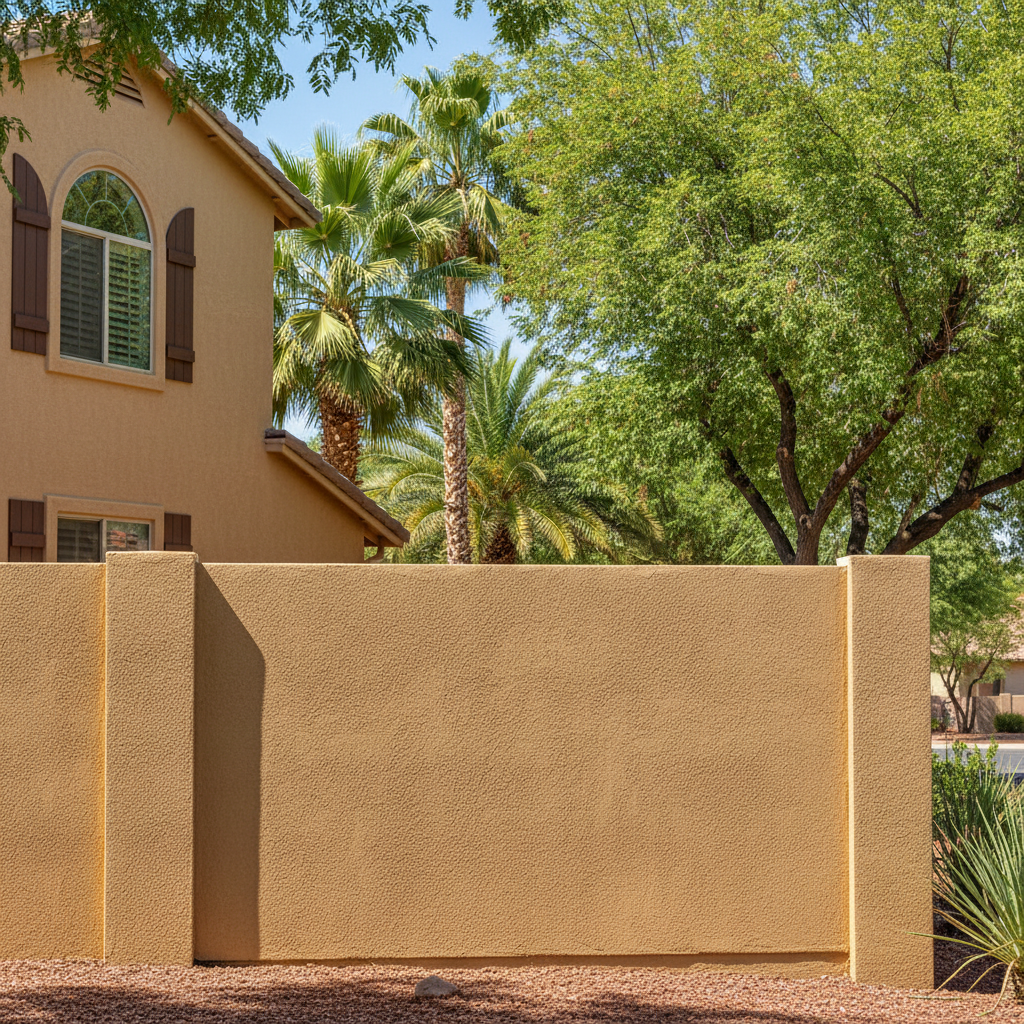
You just invested in a fresh coat of paint for your stucco home here in Queen Creek. Maybe it was a full repaint, or maybe you just touched up some spots. Either way, you want that new look to last, right? It's not just about curb appeal; a well-maintained paint job protects your stucco, which in turn protects your home. And believe me, out here in the desert, our stucco takes a beating.
Extending Your Stucco Paint's Lifespan in the Arizona Sun
The Arizona sun is no joke. It's beautiful, sure, but it's also brutal on exterior paint. UV rays, extreme heat, and even our monsoon dust storms all work against that fresh finish. Here's what I tell folks about making their paint last:
Choose the Right Paint: This is step one, and if you're reading this after the fact, remember it for next time. You need high-quality acrylic elastomeric paint. It's flexible, which means it can handle the expansion and contraction of your stucco as temperatures swing from scorching hot to surprisingly cool overnight. It also resists fading better than cheaper options. You're paying for protection, not just color.
Proper Prep is Key: Before any paint goes on, the stucco needs to be clean, dry, and free of any loose debris or old paint. Cracks need to be repaired. If you skimp on this, the paint won't adhere properly and you'll see peeling and bubbling way too soon. Think of it like building a house – a good foundation makes all the difference.
Two Coats, Always: Don't let anyone tell you one coat is enough, especially out here. Two full, even coats provide better UV protection, more uniform color, and a thicker barrier against the elements. It's worth the extra time and material.
Regular Maintenance: Simple Steps for Long-Lasting Beauty
This isn't rocket science, but it does require a little attention. A few simple tasks can really add years to your paint job.
Annual Cleaning: I'm not talking about a full power wash that could damage your stucco. A gentle rinse with a garden hose and a soft brush can do wonders. You're just trying to remove the accumulated dust, dirt, and any minor mildew that might try to grow in shaded areas. For tougher spots, a mild detergent solution (like dish soap and water) works well. Just make sure to rinse it thoroughly. Do this once a year, maybe after monsoon season when all that dust has settled.
Inspect for Cracks: Walk around your house a couple of times a year. Look for hairline cracks or any new damage. Small cracks can be sealed with an elastomeric caulk that matches your paint color. Catching these early prevents water from getting behind the stucco and causing bigger problems down the line. We see a lot of homes in neighborhoods like Johnson Ranch or Cortina with these small cracks, often due to settling or temperature shifts.
Trim Back Vegetation: Bushes and trees rubbing against your stucco aren't just an aesthetic issue; they can scratch and wear away the paint. Keep them trimmed a few inches away from the wall to prevent this friction damage and to allow for better airflow, which helps keep the stucco dry.
Warning Signs: When Your Stucco Paint Needs Attention
Your house will tell you when it's hurting, you just need to know what to look for. Don't ignore these signals:
Fading or Chalking: If your paint color looks duller than it used to, or if you can rub your hand against it and get a powdery residue, that's chalking. It means the paint is breaking down from UV exposure. It's not an emergency, but it's a sign that the protective qualities are diminishing.
Peeling or Bubbling: This is a bigger deal. Peeling or bubbling usually indicates a moisture problem. Either the paint wasn't applied correctly to a dry surface, or water is getting behind the stucco. This needs to be addressed quickly to prevent rot or mold issues.
Cracks (especially larger ones): Hairline cracks are one thing, but if you see cracks wider than a credit card, or ones that are spiderwebbing, that's a red flag. Water can easily get into those, and once it's behind the stucco, you're looking at potential structural damage.
Stains or Discoloration: Dark streaks, green patches, or rust-colored stains can all point to issues. Green usually means algae or mildew, often from prolonged dampness. Rust stains might be from metal components like flashing or vents that are corroding.
When to Call a Professional (Like Queen Creek Stucco & Plastering)
Look, I'm all for DIY, but some things are best left to the pros. You should definitely give us a call if you see:
Extensive Peeling or Bubbling: If it's more than a small patch, you likely have a larger moisture issue that requires proper diagnosis and repair, not just a paint-over.
Large or Deep Cracks: These aren't just cosmetic. They can indicate structural movement or significant water intrusion. We need to assess the underlying stucco and repair it correctly before any repainting happens.
Persistent Mildew or Algae: If you've tried cleaning it and it keeps coming back, there might be a persistent moisture source or a drainage issue that needs to be fixed.
You're Not Sure What's Going On: If you see something weird and you're scratching your head, just call us. It's better to get a professional opinion early than to let a small problem turn into a huge, expensive headache. We've seen it all, and we can tell you what's going on and what your best options are.
Taking care of your stucco paint isn't just about keeping your house pretty. It's about protecting your biggest investment from the harsh Arizona environment. A little proactive maintenance goes a long way in saving you money and headaches down the road.