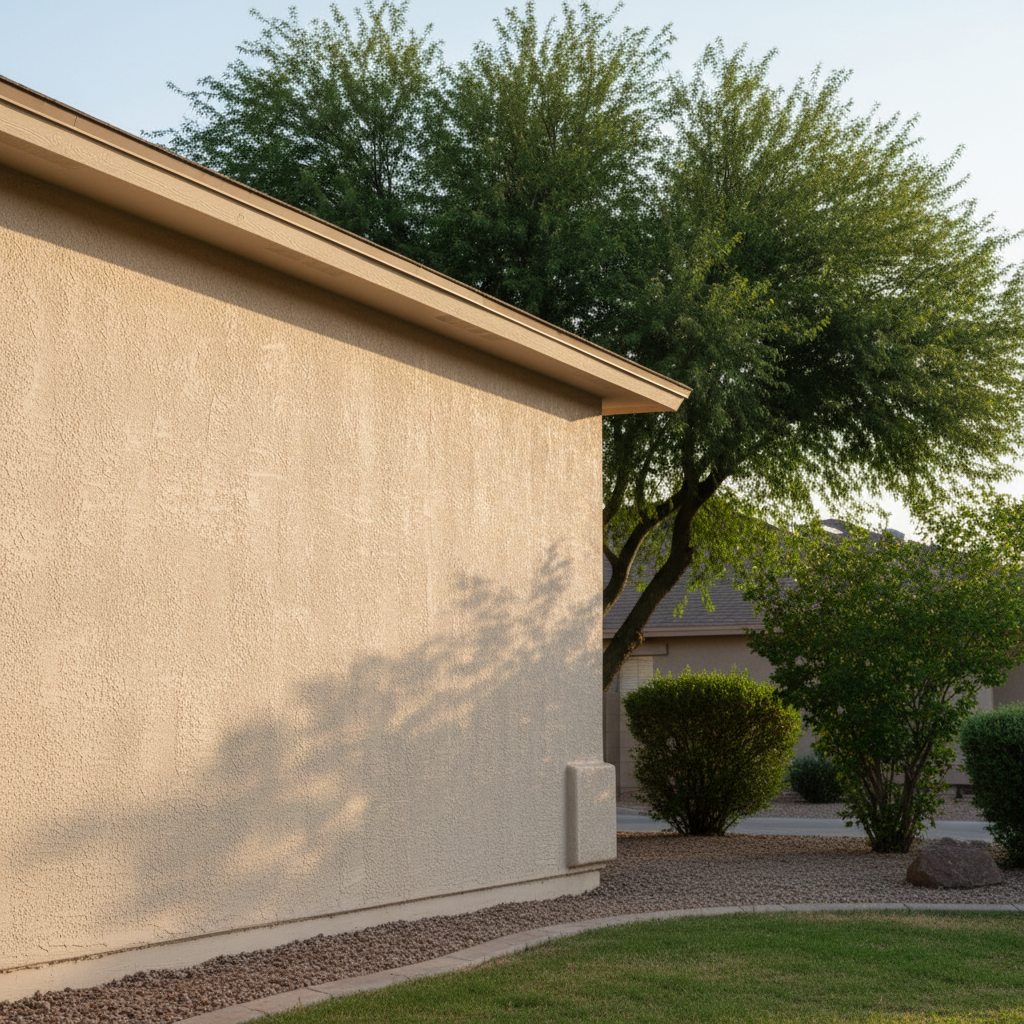
Alright, let's talk about stucco maintenance. Many folks just assume that once stucco is on, you can forget about it. That's a real mistake, especially here in Queen Creek with our scorching summers and sudden monsoon rains. Good stucco can absolutely last for decades, but it really needs a little TLC to do that. Ignore it, and you'll be looking at repairs much sooner than you'd like, trust me.
Making Your Stucco Last Longer
The biggest thing you can do to extend your stucco's life is to keep it clean and dry. Sounds pretty simple, right? But this is where most problems actually begin. Water is stucco's absolute worst enemy. Our intense Arizona sun bakes everything, sure, but then those sudden downpours can really put your home's exterior to the test.
- Good Drainage is Crucial: You need to make sure water isn't just sitting around your foundation or splashing back up onto the stucco. Check your gutters and downspouts regularly, especially before and after monsoon season hits. If they're clogged, water will just spill over and run right down your walls, which is exactly what we don't want.
- Trim Back Those Plants: Keep bushes and trees from touching your house. They hold moisture against the stucco, which can lead to algae growth or even rot if there are any tiny cracks. Also, branches scraping against the wall can cause damage over time – a little friction can do a lot.
- Sealants and Paint: If your stucco is painted, check that the paint job is still in good shape. A quality exterior paint adds an extra layer of protection. For unpainted stucco, a breathable sealant can help repel water without trapping moisture inside. We're talking about products specifically made for stucco, not just any old sealant you might grab.
Simple Maintenance You Can Do Yourself
This isn't rocket science, but it does require some consistency. You'll save yourself a ton of headaches and money down the road by just doing these quick checks.
- Annual Inspection (Your Eyes are Key): Walk all the way around your house at least once a year, ideally after monsoon season or during the cooler fall months. Look closely at all your stucco surfaces. Pay extra attention to areas around windows, doors, pipes, and where different materials meet. These are the usual suspects for problems starting up.
- Clean It Up: Give your stucco a gentle wash once a year. You can use a garden hose with a spray nozzle and a soft brush. For tougher dirt or mildew, a mild detergent (like dish soap) mixed with water works wonders. Just rinse it really well. Don't use a high-pressure washer too close or on too high a setting – you could damage the stucco or force water into places it absolutely shouldn't go.
- Check for Cracks: Small hairline cracks are pretty normal with stucco, especially with our wild temperature swings here. If they're truly hairline, they're usually not a big deal. But if they're wider than a credit card, or you notice a whole network of them, that's a definite red flag.
Warning Signs of Trouble
These are the things that tell you it's time to pay closer attention, or maybe even pick up the phone and call a pro.
- Stains: Dark streaks, especially under windows, near downspouts, or around the foundation, often signal that water isn't draining correctly. Green or black patches? That could be mold or mildew, which means persistent moisture.
- Bulges or Soft Spots: If you press on the stucco and it feels soft, spongy, or you actually see a bulge, that's a serious problem. It usually means water has gotten behind the stucco and is damaging the underlying sheathing. This needs immediate attention, no doubt about it.
- Cracks That Grow: A crack that's getting wider, longer, or has pieces of stucco actually falling out is a sign of structural movement or significant water intrusion.