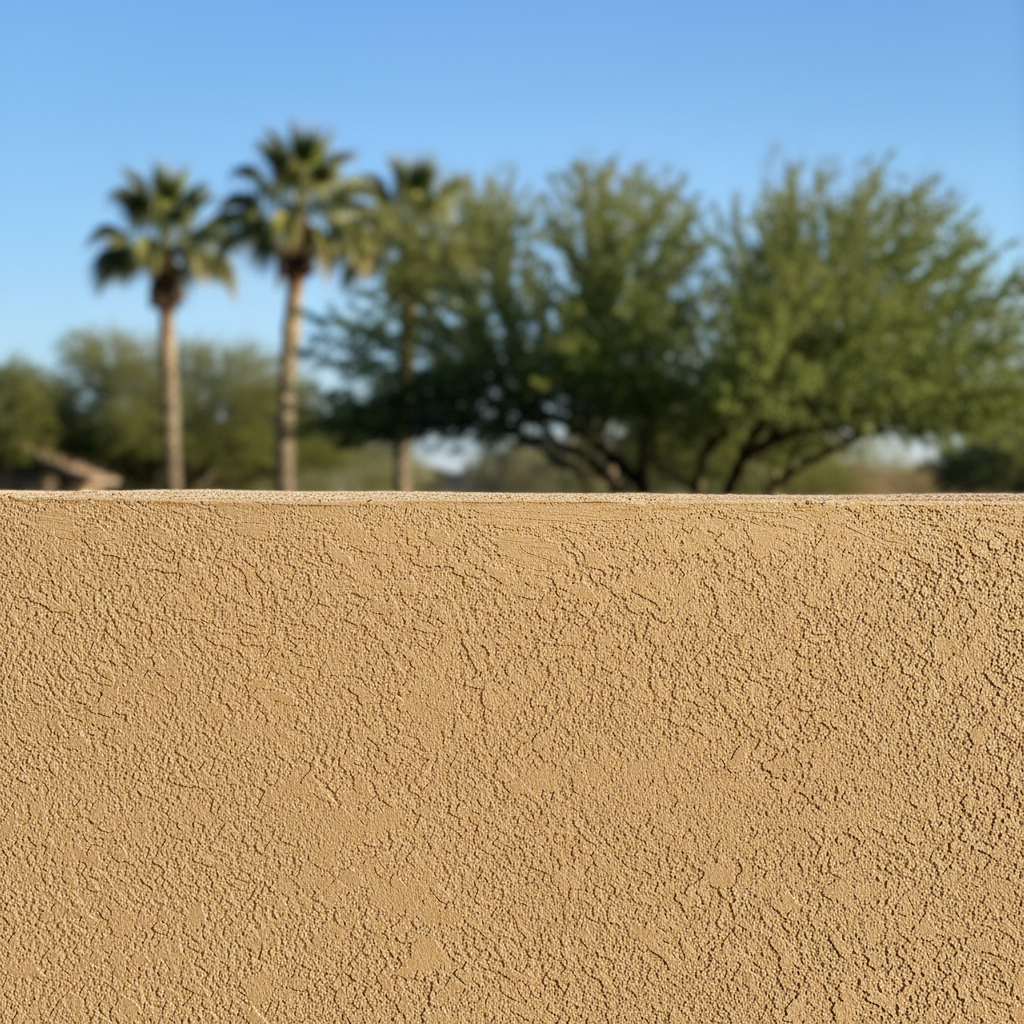
Do I really need to paint my stucco, or can I just clean it?
That's a question I get asked a lot, and honestly, it really just depends on what your stucco looks like. If it's just dirty — maybe some dust from a construction site nearby, or a little green algae from a leaky spigot — then yeah, a good cleaning might be all you need. You can often power wash it yourself on a low setting, or just hire someone to do it right. But if your stucco color is fading, looking chalky, or you're starting to see small hairline cracks, cleaning won't fix any of that. Fading means the original finish coat is breaking down, and chalkiness? That's a classic sign of oxidation. These are all clues that it's time for a fresh coat of paint, or maybe even a new elastomeric coating, to protect your home and bring back its curb appeal. What do you think?
What kind of paint is best for stucco in Queen Creek's climate?
This is super important, especially with our intense Queen Creek sun and those monsoon downpours. You can't just slap any old house paint on stucco and expect it to hold up. For stucco, you really want an acrylic-based paint, specifically one made for masonry or stucco. These paints are flexible, letting the stucco breathe and expand and contract with our wild temperature swings without the paint cracking. Even better, if you ask me, is an elastomeric coating. It's thicker, much more flexible, and gives you a superior waterproof barrier. Sure, it costs more up front, but it'll outlast regular acrylic paint by years. And that's a big deal when you're trying to protect your investment from our harsh desert elements. I always tell folks to spend a little extra on the good stuff here; you'll definitely thank yourself in five to ten years.
How long does stucco paint typically last around here?
Alright, so this isn't a simple "one size fits all" answer, because it really depends on a few things: the quality of the paint or coating you choose, how well the surface was prepped, and how much sun your home gets. If you use a high-quality acrylic paint, applied correctly, you're probably looking at 7-10 years before you really notice significant fading or wear. If you go with an elastomeric coating, you can often push that to 15 years, sometimes even more. The south and west-facing walls of your home, especially if they get direct afternoon sun all summer long, are always going to fade faster than the north side. That's just how it is here in Arizona. Good prep work, like cleaning and repairing any cracks beforehand, also makes a huge difference in how long the paint sticks and looks good.
Do I need to prime the stucco before painting?
Most of the time, yes, absolutely. Priming is a step a lot of DIYers skip, and it's a mistake that ends up costing them down the road. A good quality masonry primer does a few things. First, it creates a uniform surface for the paint to stick to, which means better coverage and a more consistent finish. Second, it helps seal the stucco, stopping that porous material from soaking up too much of your expensive paint. Third, it can really help with adhesion, especially if you're painting over an old, chalky surface. If you're using an elastomeric coating, some of them are self-priming, but even then, a dedicated primer can often boost the overall performance and longevity. Don't skimp on the primer; it's the foundation for a lasting paint job.
What about those small cracks in my stucco? Do they need to be fixed before painting?
Oh yeah, definitely. You can't just paint over cracks and expect them to disappear or stay sealed. Paint isn't a structural repair, after all. Small hairline cracks, the kind that look like spiderwebs, can often be filled with an elastomeric caulk or a flexible patching compound made for stucco. Larger cracks, anything wider than, say, a credit card, might point to a deeper issue and need a more substantial repair before you even think about paint. If you paint over cracks, they'll show through eventually, and worse, they'll still be letting moisture into your wall system. That can lead to bigger problems down the line. We always make sure to address all cracks and imperfections before we even think about opening a paint can at Queen Creek Stucco & Plastering.
Can I change the color of my stucco drastically?
You sure can, but there are a few things to keep in mind, especially going from a dark color to a light one, or vice-versa. If you're going from a dark color to a much lighter one, you're going to need more coats of paint to get good coverage and completely hide the old color. This means more material and more labor, so expect the cost to reflect that. The opposite is usually easier; going from light to dark often takes fewer coats. Also, think about our desert heat. Darker colors absorb more heat, which can make your home hotter and potentially increase your cooling costs. Lighter colors reflect sunlight, which can help keep your home cooler. It's not a huge difference, but it's something to consider when you're picking out that perfect shade for your home in neighborhoods like Cortina or Johnson Ranch.
Is it better to spray or roll stucco paint?
For stucco, spraying is generally the way to go for the main application. It allows for a much more even and consistent coat, especially with stucco's texture. It also gets into all those nooks and crannies that a roller might miss. After spraying, though, we often back-roll or brush it to work the paint into the surface and make sure it really sticks. This two-step process — spray and back-roll — gives you the best of both worlds: the speed and evenness of spraying, and the penetration and bond of rolling. Just rolling alone can leave inconsistencies and might not get enough paint into the deeper textures. Brushing is usually reserved for trim work or cutting in around windows and doors.