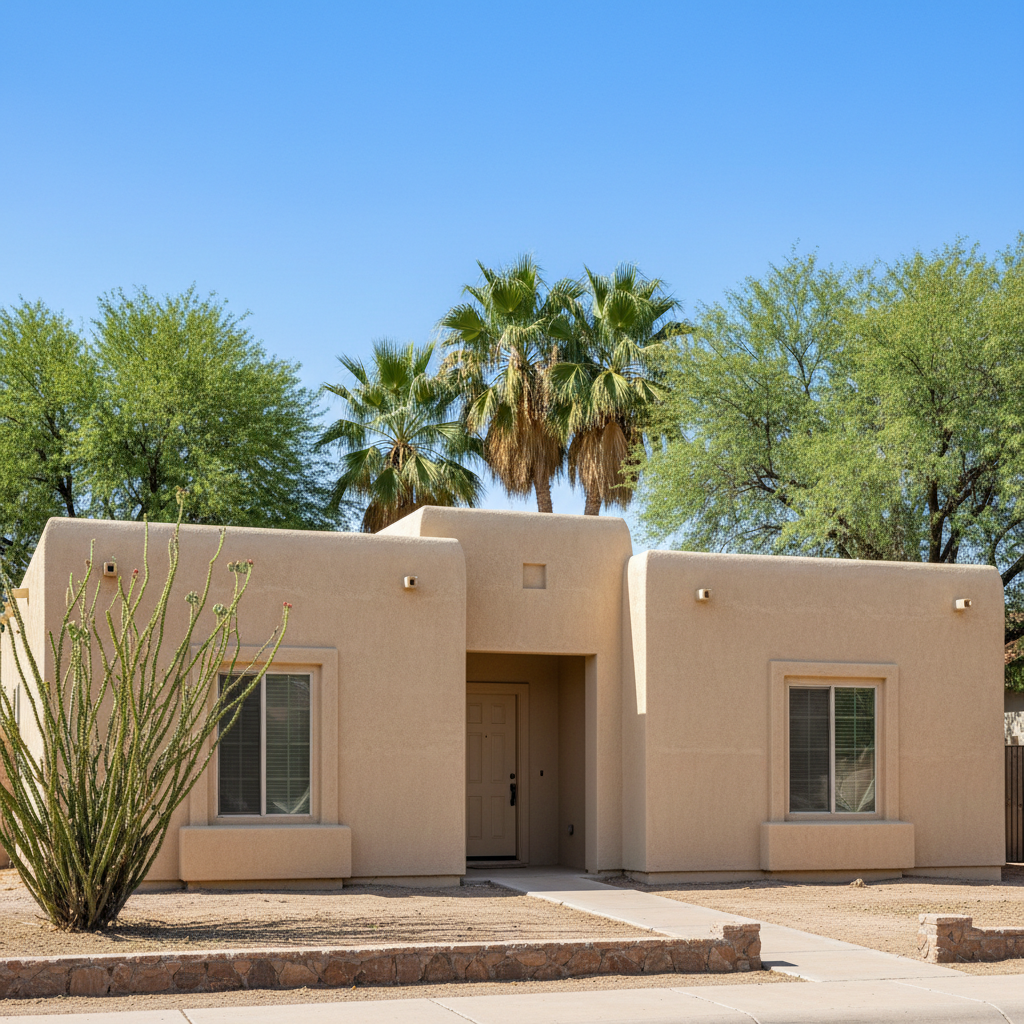
You're looking at your stucco, maybe it's got some cracks, or it's just looking tired after years of that Arizona sun beating down on it. Eventually, every homeowner in Queen Creek faces the question: when's the right time to get this stucco replaced?
It's not just about finding a good contractor; it's about understanding our local climate and how it impacts the work. I've been doing this for a long time, and I can tell you, scheduling your stucco replacement at the right time makes a huge difference in how long it lasts and how well it performs.
When's the Best Time to Replace Stucco in Queen Creek?
Honestly, the absolute best time is usually late fall through early spring. Think October through April. Why? Because the temperatures are just right. Stucco, especially the modern synthetic stuff we often use, needs specific conditions to cure properly. It's not just about drying; it's a chemical process.
- Fall (October - November): The scorching summer heat has finally backed off. Days are warm, nights are cool, and humidity is usually low. This is prime time. The stucco can dry at a steady, controlled rate, which means less chance of shrinkage cracks later on.
- Winter (December - February): Still good, often excellent. We get those beautiful, mild days. The biggest thing to watch out for is those occasional cold snaps where temperatures dip below freezing overnight. If it's too cold, especially when applying the material, it can affect adhesion and curing. We'll monitor the forecast closely for this.
- Early Spring (March - April): Another sweet spot. Before the really intense heat of May and June kicks in. You get consistent, moderate temperatures.
What you want to avoid, if at all possible, is the peak of summer. Those 110-degree days? They're brutal on stucco. The material can dry too fast, leading to flash curing, which compromises its strength and can cause premature cracking. It's like trying to bake a cake at 500 degrees – it'll be done fast, but it won't be good. Plus, working in that heat is tough on the crew, and frankly, it's just not ideal for the materials.
Weather Conditions That Affect Stucco Work
Beyond just temperature, there are a few other things we keep an eye on:
- Rain: This is a big one. You can't apply stucco in the rain, plain and simple. It washes away the material, dilutes the mix, and prevents proper adhesion. We need several dry days before, during, and after application. Our monsoon season, typically July and August, can be tricky because of those unpredictable afternoon downpours.
- High Winds: Strong winds can cause problems too. They can dry out the surface too quickly, leading to cracking. They also kick up dust and debris, which can get embedded in the fresh stucco. Not ideal for a smooth, clean finish.
- Humidity: While not as critical as temperature, very high humidity can slow down the drying process significantly. In Queen Creek, we don't often deal with super high humidity outside of monsoon storms, but it's something to consider.
Protecting Your Stucco Investment Year-Round
Once your new stucco is up, you want it to last, right? Here's how you protect that investment:
First, keep an eye on your irrigation. I've seen countless homes, especially in newer developments like Johnson Ranch or Cortina, where sprinklers are hitting the side of the house daily. That constant moisture against the stucco is a recipe for trouble. It can lead to efflorescence, staining, and eventually, degradation of the material. Adjust those heads so they're watering your plants, not your walls.
Next, regular inspections. Walk around your house every six months or so. Look for hairline cracks. Most stucco systems are designed to handle minor movement, but if you see anything larger than a credit card's width, or if cracks are propagating from windows or doors, it's worth getting it checked out. Catching these things early can save you a lot of money down the road.
Finally, keep your gutters clean and ensure proper drainage away from your foundation. Water is stucco's biggest enemy. If water is pooling around your foundation or running down your walls because of clogged gutters, it's going to find its way in eventually.
Choosing Queen Creek Stucco & Plastering means you're getting a crew that understands these local nuances. We're not just slapping stucco on; we're planning around our unique desert environment to give you a finish that stands the test of time. Don't hesitate to give us a call if you've got questions about your stucco.