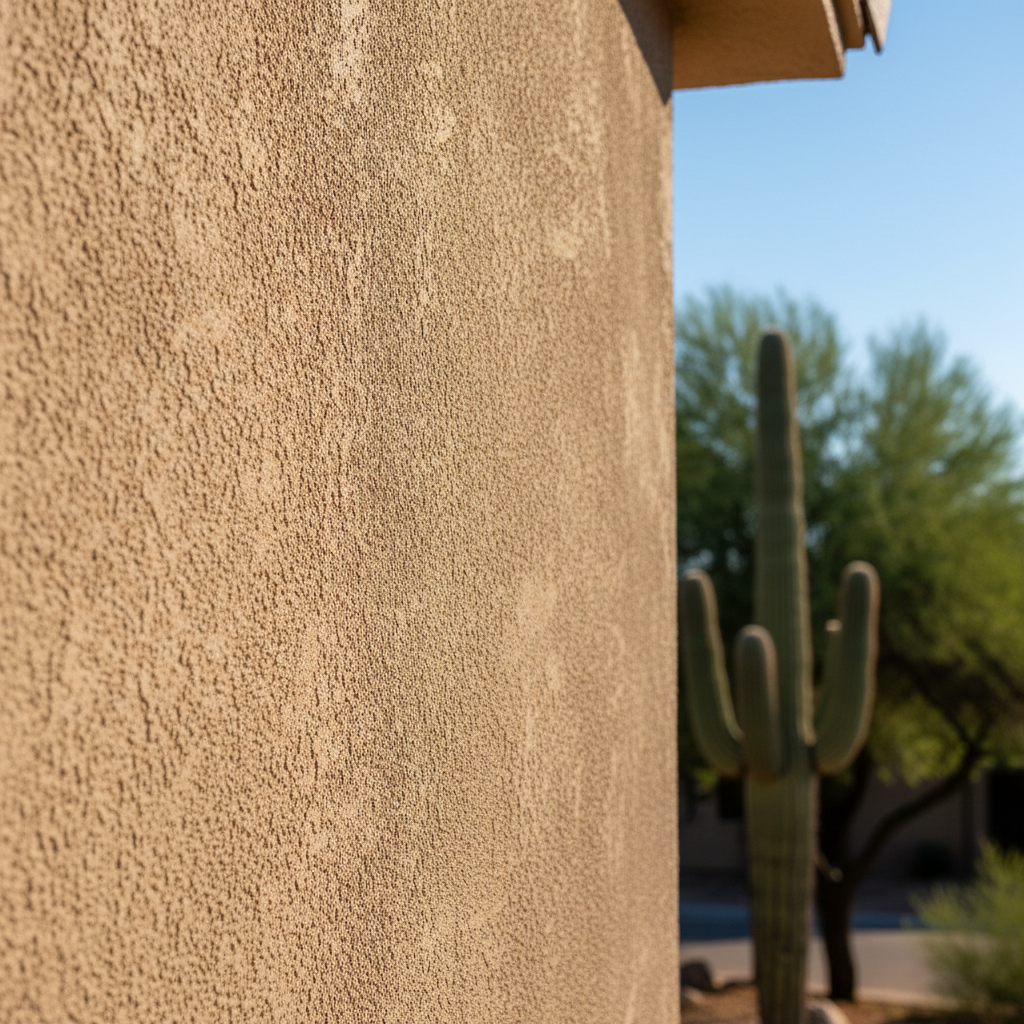
Okay, let's talk about the stucco on your Queen Creek home. It's tough stuff, no doubt, built to stand up to our desert sun and those crazy monsoon downpours. But even the best stucco needs a little TLC to stay that way. You can save yourself a ton of grief — and money, too — by knowing what to look for and when it's time to call in the experts.
Before You Grab the Ladder: Getting Ready to Look
Before you even step outside, you'll want to get in the right frame of mind. Think of this as your home's yearly check-up. You're not trying to become a stucco guru overnight, just a homeowner who pays attention. Here's what I suggest:
- Gather Your Gear: You really don't need much for a basic visual check. A good pair of binoculars, a notepad, a pen, and maybe a small flashlight for those dark corners usually do the trick.
- Know Your Stucco: Most homes here in Queen Creek probably have traditional stucco, which is cement-based. It breathes, but it can still crack. Knowing what you've got helps you understand what might be going wrong.
- Pick the Right Time: A clear, bright day is perfect. You want plenty of light to see everything clearly. Try not to inspect right after a big rain, because wet spots can sometimes hide problems.
During Your DIY Stucco Walk-Around: What to Spot
Alright, time to head out. Walk slowly around your whole house, really taking your time. Don't rush it. You're looking for warning signs, things that just don't look quite right. Here’s what I always tell people to watch out for:
Cracks: The Good, The Bad, and The Really Bad
Cracks are probably the most common thing homeowners notice, and they can be anything from totally harmless to pretty serious.
- Hairline Cracks: These are super thin, like a strand of hair. They're pretty normal as stucco expands and shrinks with our daily temperature swings here in Arizona. A few isolated ones aren't usually a big deal, but if you see a whole spiderweb of them, or they're getting bigger, that's a different story. You can often seal these tiny ones yourself with some good quality elastomeric caulk.
- Bigger Cracks (Wider than 1/8 inch): Now we're talking about something that probably needs a pro. Cracks this size can let water in, and that's when the real headaches begin. Keep an eye out for diagonal cracks around windows and doors – those can actually point to foundation movement. Horizontal cracks might mean the stucco is pulling away from the wall.
- Bulging or Blistering: If you spot areas where the stucco is bubbling up or looks like it's separating from the wall, that's a definite sign of trapped moisture. Give it a gentle tap; if it sounds hollow, well, that's another clue.
Discoloration and Stains: What's That Mark Telling You?
Stains aren't just ugly; they often act like messengers, telling you water is getting in where it shouldn't be.
- Dark Streaks or Spots: These usually mean water is running down the wall and seeping in. Pay extra close attention around windows, doors, and rooflines.
- White Powdery Stuff (Efflorescence): This is mineral salt left behind when water evaporates from inside the stucco. It’s a dead giveaway that moisture is getting in.
- Green or Black Growth (Mold/Mildew/Algae): If you see this, especially in shaded spots, it means the stucco is staying damp. While you can clean surface mold, persistent growth suggests a deeper moisture problem.
Around Windows, Doors, and Other Openings
These are super important areas because water often finds its way in here.
- Flashing: This is the metal or plastic barrier designed to direct water away. Make sure it's all there and properly put in around all openings and where the roof meets the wall. Missing or damaged flashing? That's a huge problem.
- Caulking/Sealant: Check the caulk around windows, doors, and any pipes or vents sticking out. If it's cracked, brittle, or gone, water can easily get behind your stucco.
The Base of Your Home: Where the Stucco Meets the Ground
People often miss this area, but it's really important for drainage.
- Weep Screed: This is a small metal or plastic strip at the very bottom of your stucco, usually about 6 inches above the ground. It's there to let any moisture that gets behind the stucco drain out. Make sure it's not buried by landscaping or dirt.
- Clearance: There should be enough space between the bottom of your stucco and the ground, concrete, or landscaping. If dirt or mulch is piled up against the stucco, it can wick moisture right into the wall. This is especially true with our expansive soils here in Queen Creek; shifting can sometimes bring the grade too high.
When to Call a Pro: Don't Guess, Get an Expert
While a visual check is great for spotting obvious issues, there are definitely times you need a professional. You simply won't have the specialized tools or the experience to figure out hidden problems.
Call Queen Creek Stucco & Plastering, or another qualified stucco inspector, if you notice any of these:
- Large or Spreading Cracks: Anything wider than 1/8 inch, or cracks that are growing.
- Bulging, Blistering, or Soft Spots: These are strong signs of serious moisture damage behind the stucco.
- Persistent Staining or Mold: If you've cleaned it and it just keeps coming back, there's an ongoing moisture source.
- Suspect Flashing or Sealant Issues: Improperly installed or failed flashing is a major reason for water getting in.
- You're Buying or Selling a Home: A professional stucco inspection is a smart move before a real estate transaction. It gives you peace of mind and can help you avoid really expensive surprises.
- After a Major Weather Event: Our Arizona monsoons can be brutal. If your home took a beating, a professional check-up is a good idea.
- Every 3-5 Years: Even if nothing seems wrong, a routine professional inspection every few years is recommended to catch small problems before they become big ones.
A pro will use tools like moisture meters, and sometimes even thermal imaging, to find hidden water and figure out how bad any damage is. They can often spot issues you can't see with just your eyes. Plus, they'll know exactly what to look for that's specific to our climate and building practices right here in Queen Creek.
After the Inspection: What Happens Next?
Once you've done your walk-around, or had a pro come out, you'll have a much better idea of how your stucco is doing. If you found minor issues you can handle, fantastic. If there are bigger worries, please don't put off getting them fixed. Small problems in stucco can turn into huge, expensive headaches if you ignore them. Timely repairs protect your home's structure and its value. It's all about being proactive and keeping your home in tip-top shape, isn't it?